
Forget the Flowers
Spring scents that aren't florals
There’s an obvious way to start this article, quoting that famous line from The Devil Wears Prada (”Florals for spring? Groundbreaking”) because flowers are the dominant motif associated with spring—visually and olfactorily. How many words have been spilled on the joy of spring’s return with the first budding flowers, breaking the surface of the earth after the long dormancy of winter? Who doesn’t feel a surge of optimism on spotting the first crocus buds in a park? If you can’t experience the seasonal majesty of witnessing a fragrant cacophony of blooms in person, you can turn to perfume for a synthetic recreation.
But there are plenty of botanical-scented themes that evoke the burgeoning spring environment without relying on florals: for example, the grassiness of vetiver or the unexpected breeziness of ozone. An abstract manifestation of the sense of rebirth and revitalization that spring awakens in our collective imagination can be invoked through our sense of smell via perfumery.
I certainly don’t think seasonality should necessarily be a limiting factor when one decides what fragrance to wear (in fact, it can be a perverse joy to wear something totally incongruous with the weather, like a heavy rose-patchouli chypre in the middle of the summer), but there is a certain ease to spring weather that allows a wider range of fragrances that feel “correct.” The brutal cold of winter and the layers that are required to keep warm often drown out lighter scents and the punishing heat and humidity of summer can make heavier scents cloying (or one sprays something on only to sweat it off an instant later). After being cooped up inside for the entirety of winter, celebrating the return of warmth and the joy of watching the earth triumphantly reawaken can be particularly life-affirming, so mark the transition with a special fragrance and enjoy the remainder of our fleeting temperate days.

Vetiver
Vetiver-centric scents evoke the verdancy of spring yet retain a dry, woody bitterness that adds some weight to a fragrance and keeps it from feeling too transparent. Vetiver has a complex smell that can almost carry a composition on its own, with earthy, woody, and vegetal characteristics that can lean grassy or smoky, depending on the variety. Thus it works well as the central note that the rest of the fragrance can be built around. It is also often used as a base, providing an anchor for the drydown of a fragrance, after the lighter notes have evaporated.
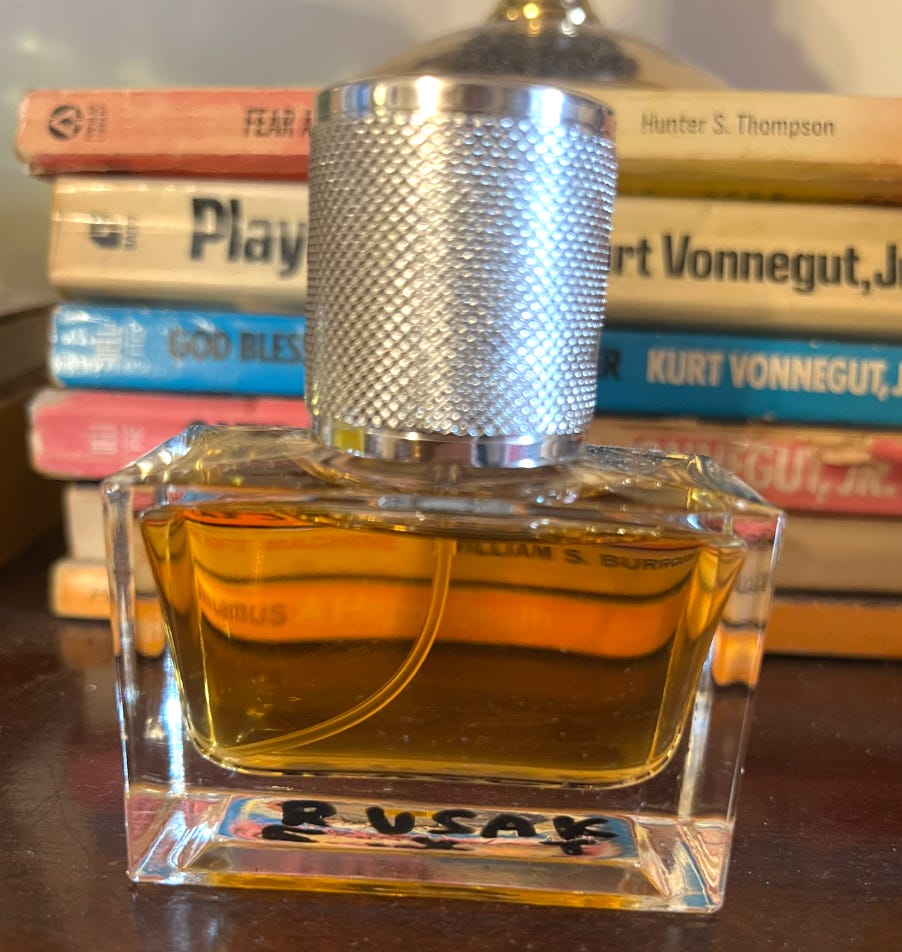
My favorite vetiver fragrance is Chris Rusak’s Extent, a rich, oily, almost bitter interpretation of vetiver. A grassy Haitian vetiver is central to the composition, which is supported by the herbaceousness of anise and a touch of animalic hyraceum. In Extent, Rusak uses orris butter in an intriguing way. Rather than smelling of orris directly, it adds a waxy texture to the vetiver, rounding it out and serving as a counterpart to its inherent grassy sharpness. The oily-waxy characteristics of the fragrance remind me a bit of being in a store for high end art supplies—the air redolent with paint and chalk.
Rusak is having a close out sale (hopefully to make room for new fragrances, not to say goodbye forever) and Extent can be purchased for $99. Unfortunately samples are sold out, so you can’t try before you buy, but I truly think it’s worth the gamble. If you purchase Extent on my recommendation and end up hating it, let me know and I will trade you a bottle from my personal collection of comparable value. I think it’s that good.
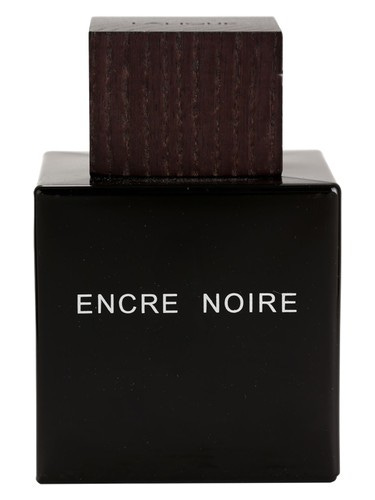
For a vetiver scent that is less obscure (and won’t break the bank), try Lalique’s modern classic Encre Noire. A dark, dry, vetiver fragrance that emphasizes its woody and grassy aspects and dries down to the scent of skin warmed by the sun. Comes in a decidedly-modern hefty black glass cube that definitely makes a statement on a shelf.
For something a bit brighter, try Vetiver Ecarlate by L’Artisan Parfumeur, which opens with a burst of citrusy grapefruit (a classic pairing with vetiver), and the fresh, green pea-like scent of galbanum. The vetiver in the fragrance enhances the grassy texture and earthiness of the green tomato vine-like notes at the center of the composition, making it a great fragrance to transition to warmer summer weather.
Comme des Garcons released a new vetiver-centric fragrance last month called To Vetiver. Though the vetiver is present, it’s more of a myrrh/incense perfume to my nose. To Vetiver has that cardboard-Coca Cola characteristic that makes the scent of myrrh unique. It’s balsamic but also kind of earthy and musty, which compliments the vetiver in the fragrance but also kind of muddles it. Good for ethereal incense lovers who want to be taken back down earth a bit.
In my opinion, Accident: Radish Vetiver, re-released from Comme des Garçons’s Clash series last year, is the CDG vetiver fragrance worth owning. It is a super earthy interpretation of vetiver that reminds me of gardening with my mom in the early spring as a child, tilling the earth while the ground was still cold and finding worms. The crisp, spicy, vegetal quality of the radish is the perfect complement to the grassy rootiness of vetiver.
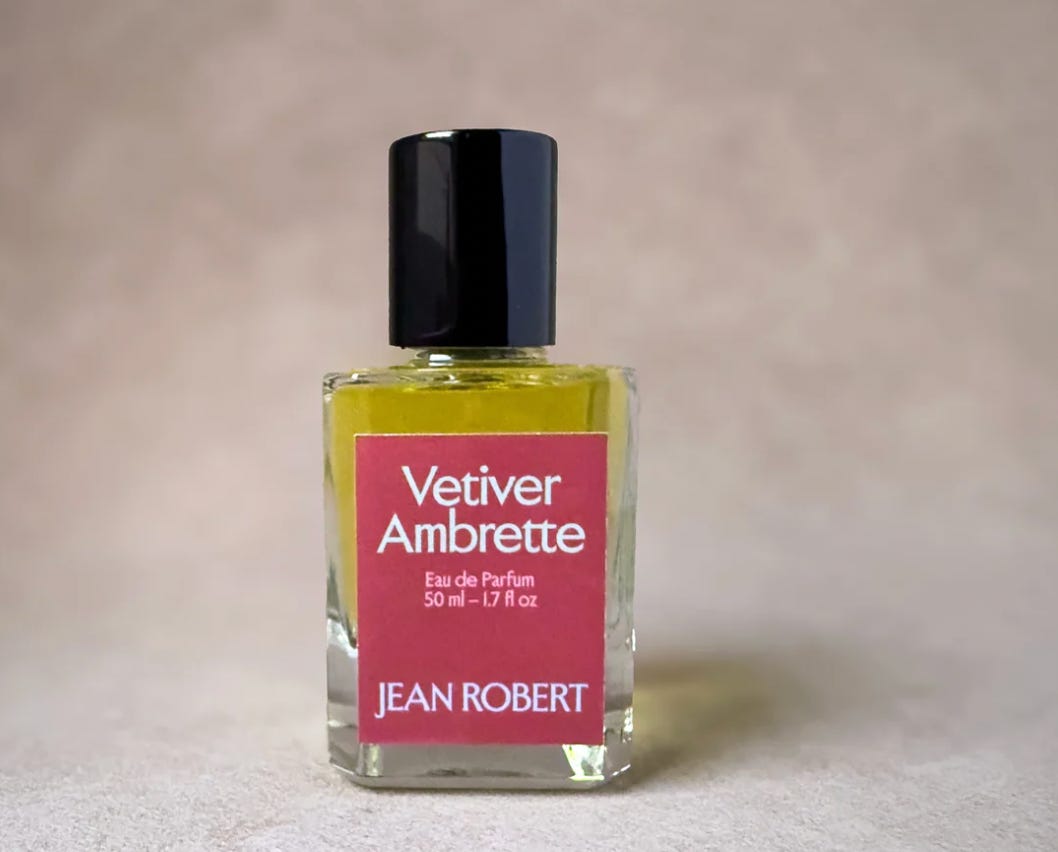
Jean Robert’s Vetiver Ambrette is the child of artisanal perfumer and fragrance enthusiast Justin Charles. It opens with a bright burst of juicy sweet citrus, like a glass of freshly-squeezed OJ, which merges seamlessly into the soft, slightly musky scent of ambrette. The softness of the ambrette smoothes out the edges of the vetiver. It has a sunny warmth to it that feels approachable and effortless. If you’re intrigued by vetiver but turned off by the sharp pepperiness of something like Encre Noire, this may be the vetiver for you. While you’re at it, try the other two Jean Roberts fragrances—Amber Repose and Patchouli Hinoki are both phenomenal as well. Justin’s love of fragrance and his deep knowledge of its history definitely come through in his creations and I expect to see more great scents from him in the future.
70s-Style Green Chypres
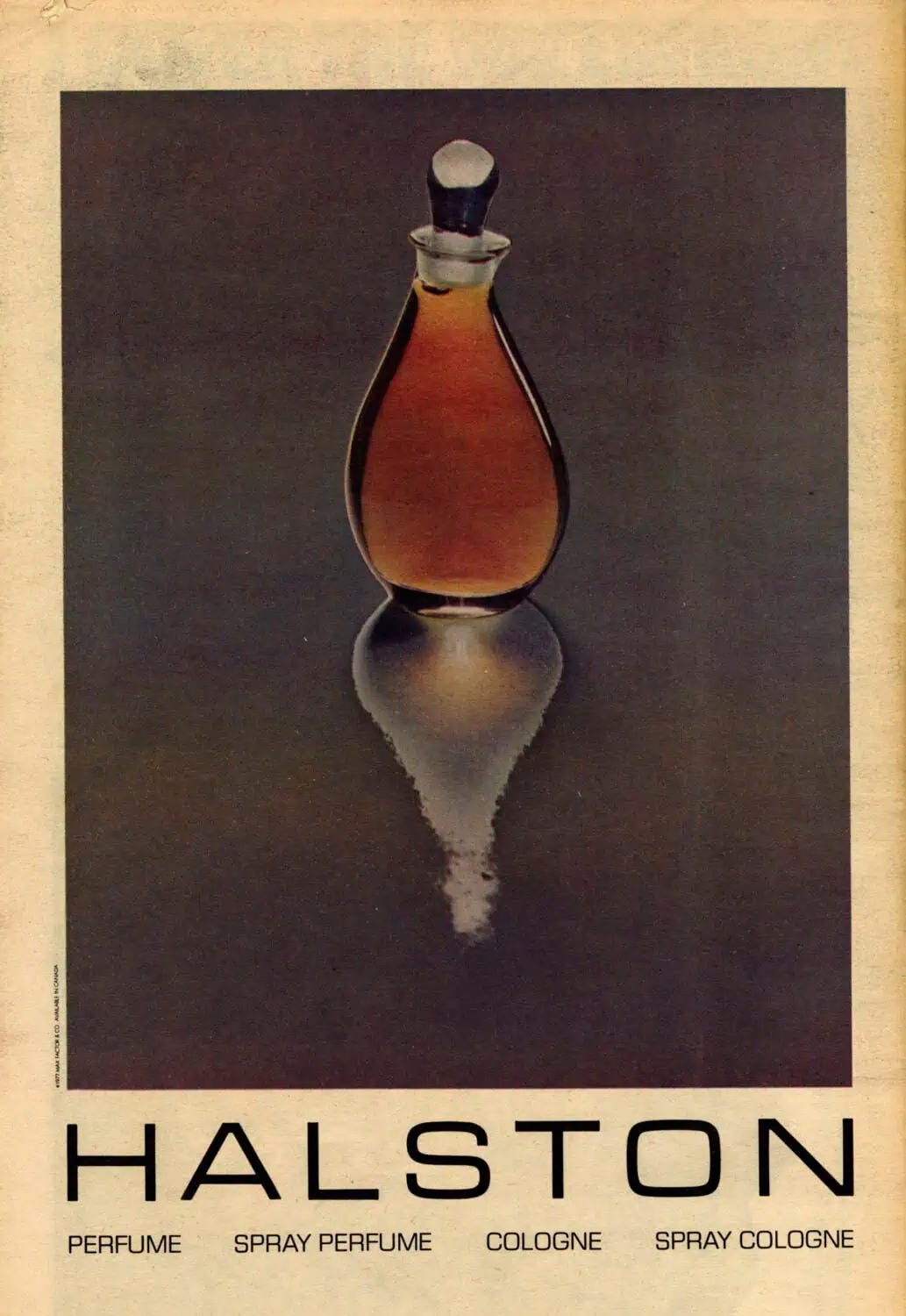
Confession: my main motivation for writing this article was having an opportunity to pontificate about Halston, the revolutionary fragrance composed by Bernard Chant for the notorious 70s fashion designer in 1975. Halston is a classic example of the “green” chypre—a cornerstone of perfumery in this era, which retains the mossy base that defines chypre-type fragrances and emphasizes leafy, herbaceous notes that give the genre its characteristic verdancy. Often this is achieved through the inclusion of materials like galbanum, a resin that smells like cut grass or fresh peas. The accentuation of lush, verdant greenery makes this type of chypre the ideal spring perfume, particularly for the vintage fragrance lovers among us.
A 50 milliliter bottle of Halston on Fragrancenet can be bought for a mere $12.59. It opens with a zesty, dry herbaceousness that compliments a lightly-spiced mossiness in the base of the perfume. There are floral notes here, but they are soft and almost fruity—the scent has a peachiness to it that emphasizes the fuzzy, skin-like aspects of the fruit. Despite its vintage provenance, I think the scent of Halston has enough modern characteristics that it can be of interest to perfume lovers who aren’t interested in retro scents. It was one of the first fragrances to use Iso-E Super, the notorious woody aromachemical that has enjoyed a heyday over the last decade or so as a hallmark ingredient in niche perfumery. In Halston, it is essential to the soft woody effect that is central to the fragrance and creates contrast with the drier mossy notes in the base. It’s the perfect thing to marinate in on a warm spring day spent lazing on the grass, but packs enough punch to wear out on a night of dancing. The oddly phallic bottle designed by Elsa Peretti is the cherry on top.
If Halston is old hat to you, try Niki de Saint Phalle, which is long discontinued but can be found on eBay for a reasonable sum. The fragrance is green and woody, but has a distinct marigold note that differentiates it from Halston and similar green chypres. The mossy base is balanced with creamy sandalwood, blurring any sharp or bitter edges in the composition. The same fragrance was released in a series of bottles illustrated by de Saint Phalle with each of the Zodiac signs. I bought the Aries version for my birthday a couple years ago.

If Niki de Saint Phalle still isn’t obscure enough for you, try Cialenga by Balenciaga. The mossy woody base is tempered by a lightly powdered iris heart and vegetal crispness. There is quite a bit of spice in the composition as well, with a prominent caraway note that can read a bit savory, almost coming across like celery seed.
Sisley’s Eau de Campagne is a fresh, herbaceous chypre that bridges spring and summer perfectly. It opens with a burst of citrus and basil, but the heart of the fragrance captures the fuzzy, humid scent of a tomato vine. It’s the smell of a rich lady who gardens—a beautiful celebration of greenery. If other green chypres are a bit too heavy or classic for your taste, Eau de Campagne’s free-spirited lightness might be the counterpoint you’re looking for. Eau de Campagne deserves a revival in the collective perfume consciousness given that tomato scents have had a bit of a moment in recent years, as a personal fragrance and as a home scent (the abundance of tomato-scented candles is testament to this). If you’re into the refreshing, crisp vibe of Loewe’s tomato candle or Margiela’s From the Garden, give the original from 1974 a try.
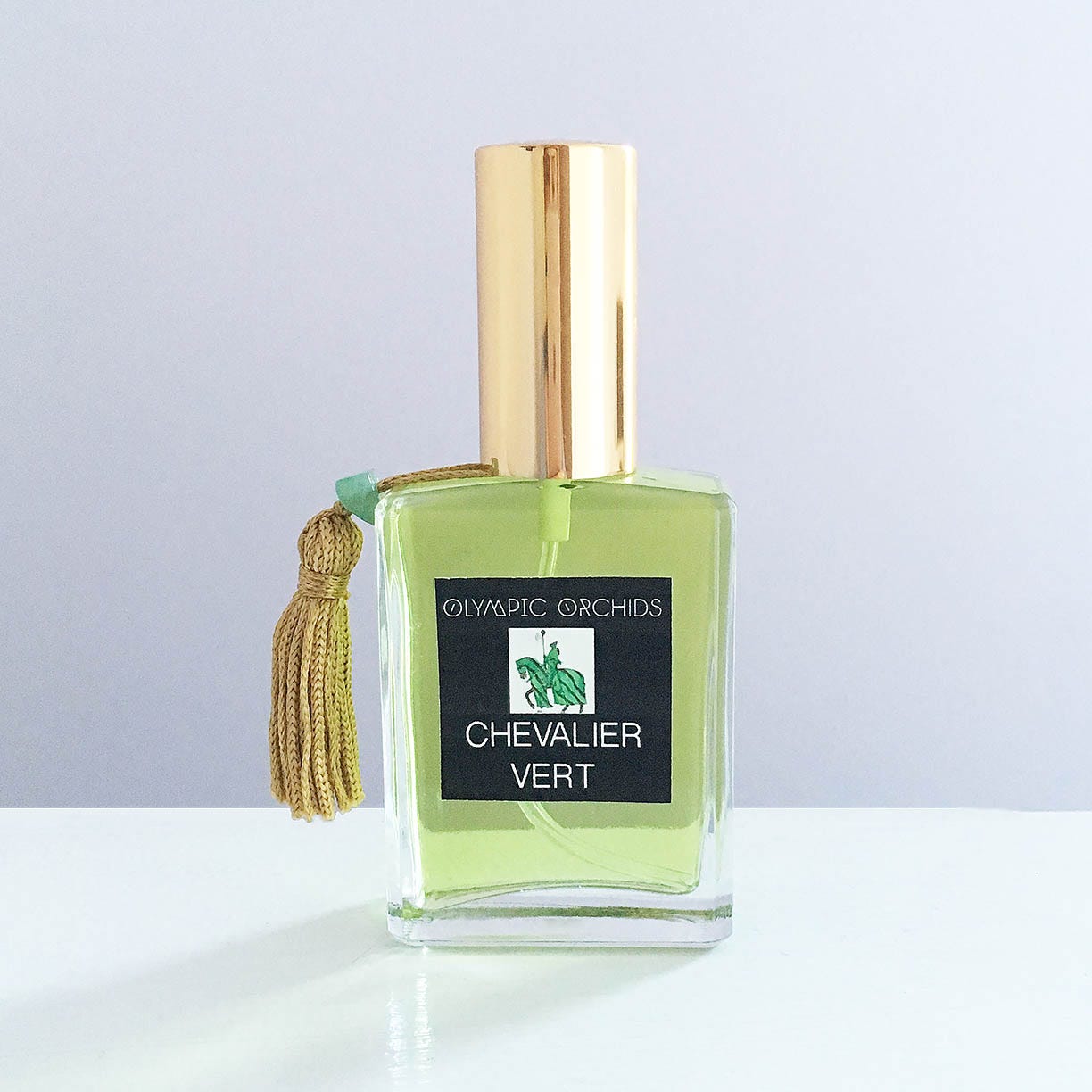
There are numerous modern interpretations of the green chypre genre that may appeal to those who are adverse to retro perfumery. Eris’s Green Spell is a celebration of greenery, sharing the prominent tomato leaf note that is present in Eau de Campagne, along with the humid fragrance of violet leaf and a hefty dose of galbanum. Synthetic Jungle (renamed Synthetic Nature in 2024) by Frederic Malle has a gorgeous green opening that is reminiscent of the great green chypres of yore, bolstered by a bouquet of airy spring florals dominated by a beautiful rendition of lily of the valley. It has a wateriness that conjures droplets falling from the leaves of a garden, or a spritely vase of stemy flowers. Chevalier Vert by indie darling Olympic Orchids opens with the bright, tart scent of rhubarb that merges with grassy green notes and anisic herbs. It has a bitter, astringent quality to it that smells a bit like smoking a skunky joint in a garden.
Earthy Notes
The history of earthy notes in perfumery starts in the early 90s with the release of Demeter’s groundbreaking Dirt, a hyper-realistic interpretation of the fragrance of the soil of the Pennsylvania farm where perfumer Christopher Brosius was raised. Earthy notes such as dirt and mushroom are having a bit of a moment right now, especially in niche and independent perfumery. The distinctive scent of earth is primarily due to a volatile organic compound called geosmin, which is produced by bacteria in the soil and readily available as a raw material in perfumery. The smell of dirt can be surprisingly refreshing and is particularly evocative in spring when the ground has thawed and we begin tilling the soil to plant the seeds that will bloom as the season unfolds. It is also reflective of the sense of melancholy that spring can inspire—a reminder of the unceasing cycle of rebirth and decay to which we all eventually succumb.
Earth from Jil Sander’s underrated Olfactory Series 1 opens with the uncanny scent of mushroom and soil that surprisingly morphs into an airy interpretation of a traditional rose-patchouli chypre. The earthiness here is quite humid, it’s the scent of a freshly-scrubbed white button mushroom or the static air before a thunderstorm. The rose is dewy and slightly sweet—a perfect compliment to the unique freshness of the earthy notes. Similarly, the patchouli notes are of the clean and muted variety, slightly salty and mossy, rather than the camphoraceous, dank, leafy forest floor humus scent that one typically associates with patchouli. For a fragrance named Earth, the whole composition is rather ethereal. It is the scent of earth in the air rather than on the ground—the memory of being in a garden, rather than a recreation of the experience itself. The Jil Sanders Olfactory Series scents did not seem to make much of a splash, at least in the United States, but the whole series is worth smelling. Each fragrance is understated and elegant, playing on familiar themes in perfumery, but with enough of a twist to present a fresh viewpoint. A good reminder that a fragrance doesn’t need to scream to be impactful.

Brain Dead’s Shroom Cola contrasts the sweet spicy scent of cola with the earthy dankness of patchouli. It opens with the scent of dank earth sprouting with mushrooms. If you’re looking for a spritzy, sweet, super realistic cola, look elsewhere. The cola here is a Chinotto-like, spicy-herbal and unsweetened. As the fragrance dries down, a leafy patchouli scent emerges. Shroom Cola is worth a sniff for fans of the original CDG EDP or Diptyque L’Eau—it has a spiciness to it but it doesn’t over-index on it so it has less of an apothecary spice cabinet vibe but retains the aromatic flair of a spice melange, so it doesn’t read as hippy-dippy as other scents with this profile. Shroom Cola was exclusively available via Brain Dead, but Lucky Scent recently started carrying the brand, so it’s more accessible now.
Ki’lei from Source Adage is an ozonic, geosmin-tinged early morning walk through an aromatic forest: redolent with the scent of coniferous trees, herbaceous lavender, and wet earth. It’s an aquatic fragrance for goths—less heavy-handed than something like Fischersund’s Flotholt, but in the same vein. The lavender and evergreen woody notes give the fragrance a fougere feeling, but the earthy petrichor base takes it into novel, modern territory.
Nothing is so beautiful as Spring –
When weeds, in wheels, shoot long and lovely and lush;
Thrush’s eggs look little low heavens, and thrush
Through the echoing timber does so rinse and wring
The ear, it strikes like lightnings to hear him sing;
The glassy peartree leaves and blooms, they brush
The descending blue; that blue is all in a rush
With richness; the racing lambs too have fair their fling.
What is all this juice and all this joy?
A strain of the earth’s sweet being in the beginning
In Eden garden. – Have, get, before it cloy,
Before it cloud, Christ, lord, and sour with sinning,
Innocent mind and Mayday in girl and boy,
Most, O maid’s child, thy choice and worthy the winning.
— Spring, Gerard Manley Hopkins
YES to vetiver for spring! Also I've been meaning to check out Brain Dead, thanks for your review!
I purchased Extent after reading your review, sounds amazing! 🤞🏼🤞🏼